Chatomatic — AI Assistant SaaS
Chatomatic lets businesses train an AI assistant on their own content and embed it anywhere. I co-founded it, launched to 100+ users, then rebuilt the entire platform solo — ~25K LOC across dashboard, playground, API, and an embeddable widget.
01 — Problem
Answers people can trust
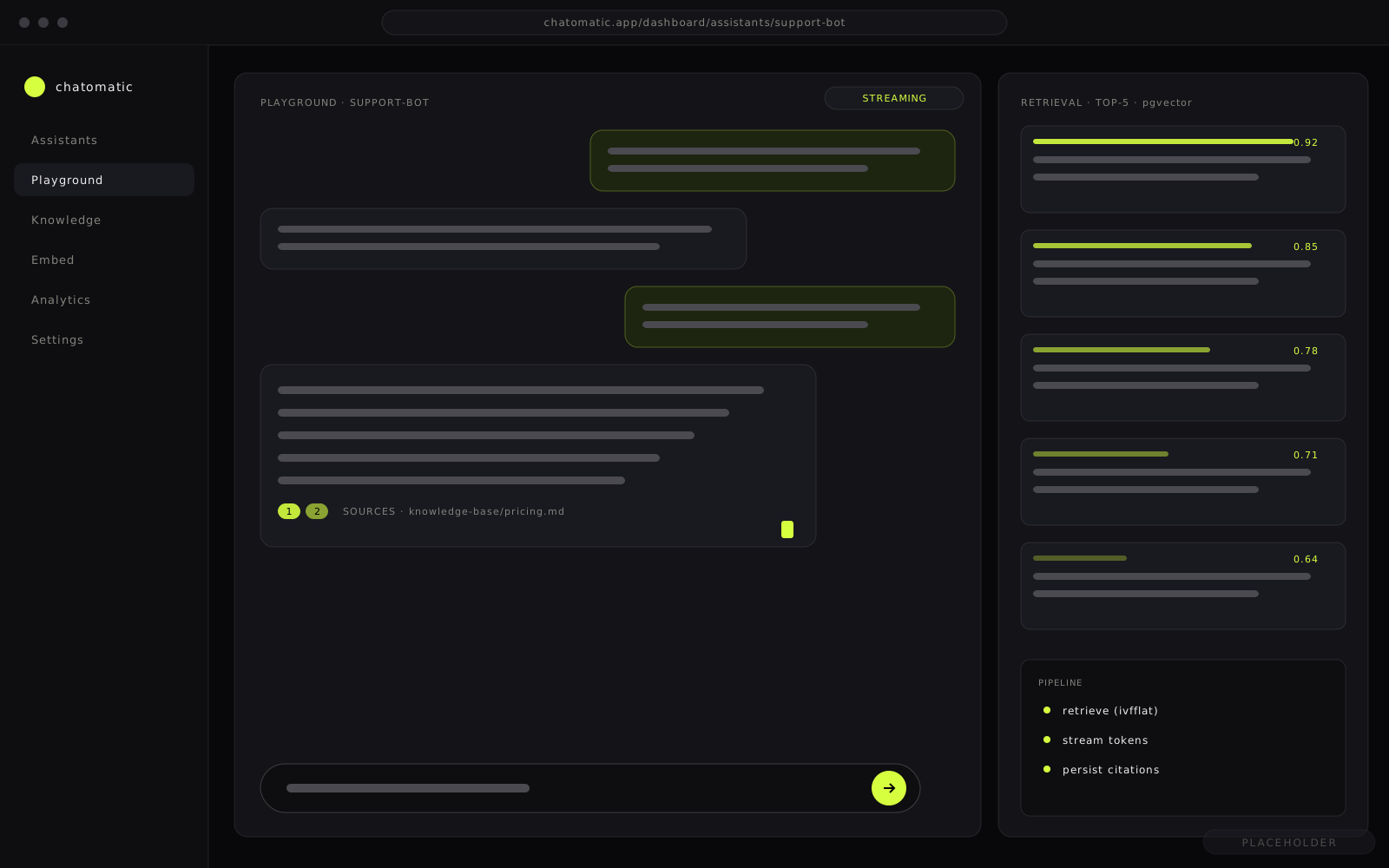
Generic chatbots hallucinate. For a business assistant, a confident wrong answer about pricing or policy is worse than no answer. The product bet: retrieval-grounded responses with visible citations, embedded on any website with one script tag.
As co-founder I owned the entire technical side — architecture, API, dashboard, embed widget, and the RAG pipeline.
02 — Retrieval
Hybrid RAG with a fallback
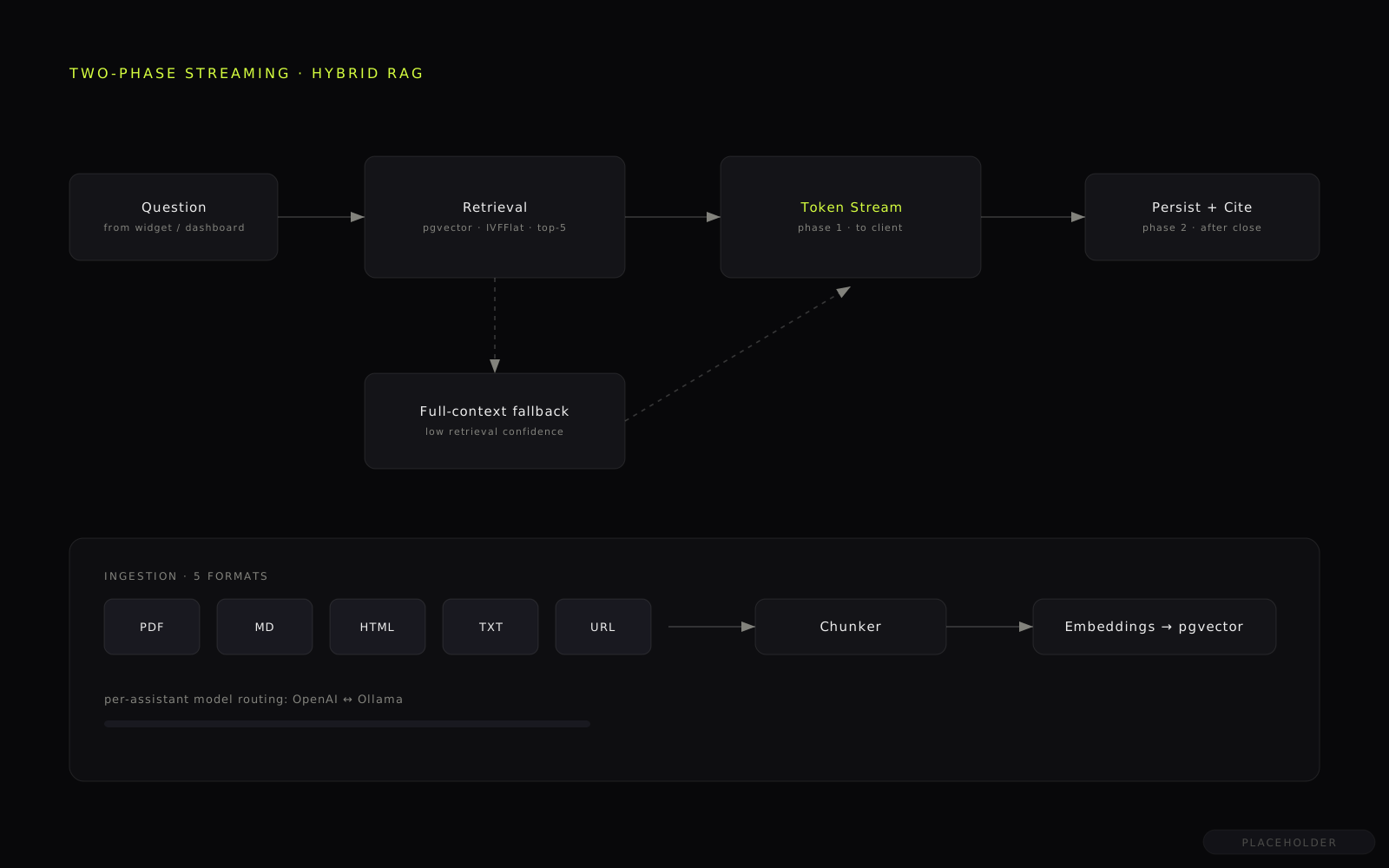
Ingestion accepts 5 formats, chunks them, and stores embeddings in PostgreSQL with pgvector under an IVFFlat index. At question time the pipeline retrieves the top-5 chunks — but small knowledge bases defeat vector search, so when retrieval confidence is low the pipeline falls back to full-context: pass everything, let the model decide.
Citations are first-class: every answer carries inline numbered references back to source chunks, so users can verify instead of trusting.
03 — Streaming
Two-phase streaming chat
Streaming and persistence fight each other: you want tokens on screen immediately, but citations aren't final until the stream ends. The pipeline runs in two phases — phase one retrieves and streams tokens to the client; phase two, after the stream closes, persists the message with its citation set atomically. The user sees a live answer; the database only ever sees a complete one.
The API is a greenfield Fastify service: 7 modules, 27 Result-typed use-cases (no thrown business errors — every failure is a typed value), 11 tables, public embed routes, and per-assistant routing between OpenAI and Ollama.
04 — Embed
A widget that survives any website
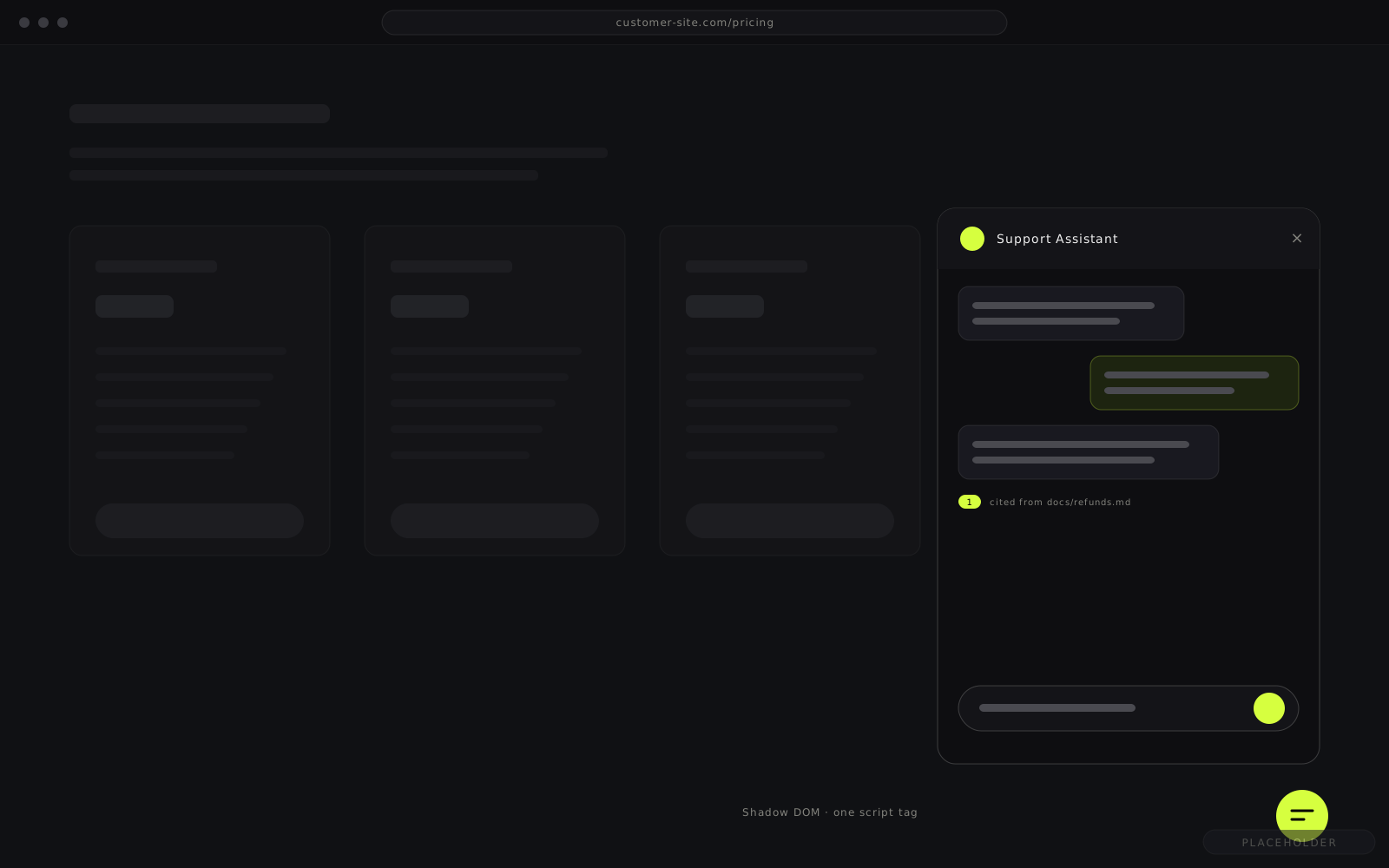
The embeddable widget renders inside Shadow DOM, so host-page CSS can't leak in and widget styles can't leak out. It's built with Vite and bundled with Rollup into a single self-contained script — one tag, any site, no iframe jank.
05 — Outcome
Launch, and the harder second version
V1 launched to 100+ users. The 2026 rebuild — done solo — replaced the entire stack with the architecture above (~25K LOC), turning a launched MVP into a platform: dashboard, playground, typed API, and an embed that businesses can install in a minute.
Building the same product twice taught me more about system design than any job could: the second version is what the first one should have been, and I have the diff to prove it.
Stack